
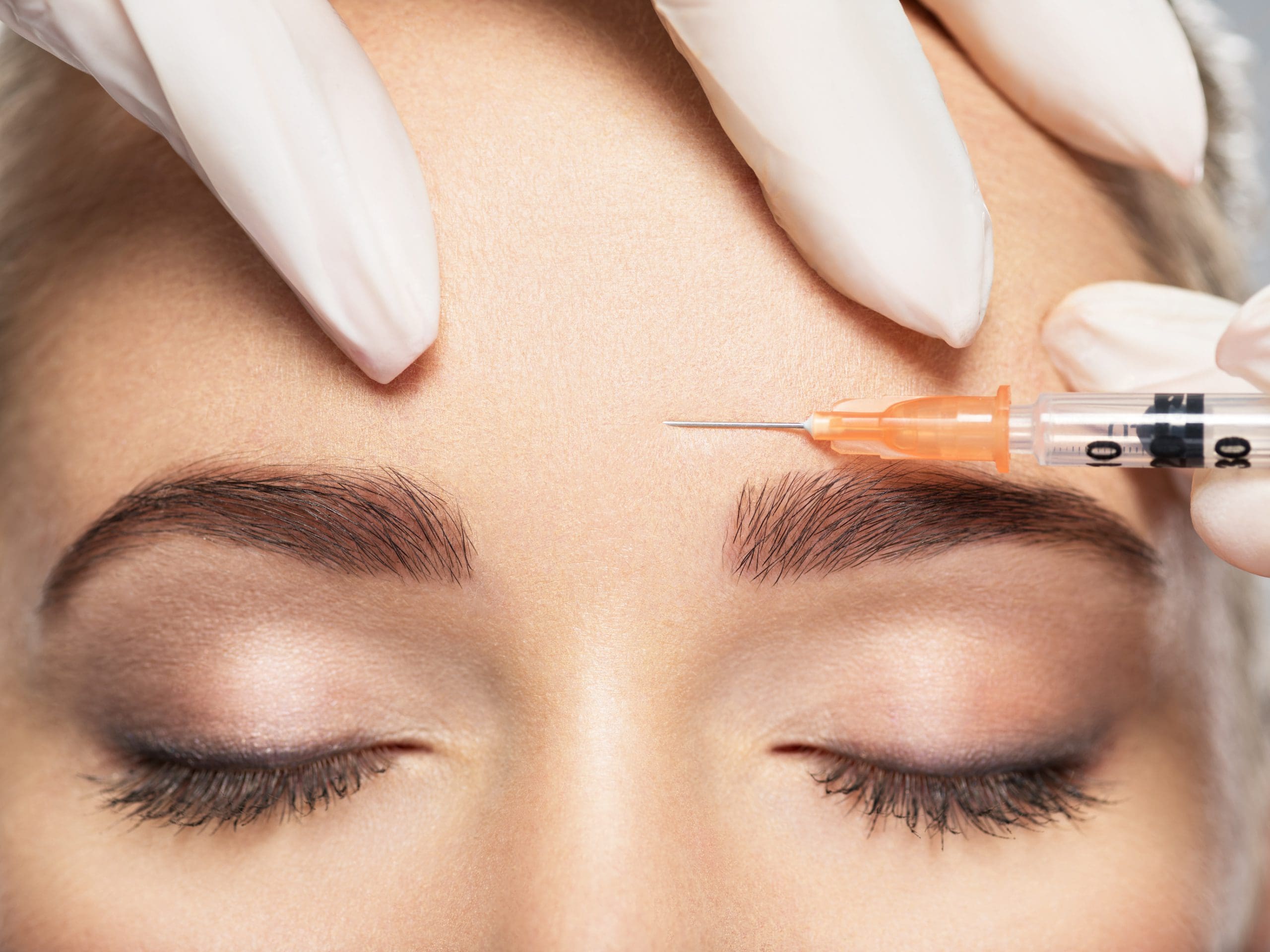
How to Make Botox® Last Longer
The youthful glow Botox® delivers can leave you feeling refreshed and confident, but maintaining those results requires ongoing care and attention. In this blog, we discuss how to make your Botox® last longer, as well as what may be affecting its longevity.
So, how do you make Botox® last longer?
- Don’t lie down immediately after treatment
- Try not to rub your face immediately after treatment
- Avoid raising your blood pressure immediately after treatment
- Protect your skin from the sun
- Implement an effective skincare routine
- Implement positive lifestyle changes
- Maintain regular appointments
Jump to:
What Is Botox®?
Botulinum toxin, commonly referred to by one of its brand names, Botox®, is a neurotoxin that temporarily blocks nerve signals to the muscles, temporarily relaxing them. Botox® is mainly used in the muscles responsible for the formation of wrinkles, specifically in the face.
In London, Dr Thomas uses Botox® alongside other brands in our clinic, such as Azzalure and Bocouture, to provide seamless results that can be seen within 10 days.
“Dr Owen took the time to discuss everything in detail beforehand, ensuring I fully understood the process and felt confident in my decision. Throughout the treatment, he was reassuring, explaining each step along the way. The results are very natural; people have noticed a positive difference”
How Long Does Botox® Last?
The effects of Botox® usually last around 3-6 months, depending on the person, with results seen around 10 days after treatment.
To maintain results, Dr Owen recommends returning for routine appointments every 3-4 months or until movement gradually starts to return.
Receive a personalised recommendation for your treatment schedule, tailored to your aesthetic goals, by arranging a consultation with Dr Owen today.
Why Is My Botox® Not Lasting
Botox® longevity can be affected by many factors. Some can be changed, some are inherent. Read on to discover what could be causing your longevity issues.
Genetic Factors Affecting Botox® Longevity
Unfortunately, most factors that affect the durability of Botox® are genetic and can’t be changed easily, if at all. Examples include:
- Metabolism – A fast metabolic rate results in a quicker breakdown of the toxin
- Muscular characteristics (structure and strength) – The stronger the muscle, the higher dose required to relax it.
- Immune differences – Some immune differences can cause toxin resistance due to previous botulinum toxin exposure
Lifestyle Factors Affecting Botox® Longevity
Don’t be discouraged, several factors can be easily changed to improve the longevity of your Botox®, such as:
- High stress – Stimulates the release of cortisol, increasing inflammation and speeding up your metabolism
- Excessive UV exposure – UV radiation accelerates the wrinkling process, counteracting the smoothing effects of Botox®
- Smoking – Smoking affects Botox® in two ways:
- Increased bruising from treatment
- Increased wrinkling in the face from volume loss
- Intense exercise –
- Increases metabolic rate
- Increased blood circulation accelerates Botox® breakdown
What Makes Botox® Last Longer
From aftercare to lifestyle changes, there are several methods of improving Botox® longevity available.
Dr Owen, our esteemed founder and aesthetic doctor here at Infinity Aesthetics, has the following top tips to ensure you get the most out of your appointment:
What Supplements Make Botox® Last Longer
There has been research into the benefits of taking zinc supplements before Botox® treatment to improve longevity and results, which has found positive results.
However, this is not concrete, and more clinical testing is required to validate the results definitively.
Botox® Aftercare Tips
Immediately After Botox® Treatment:
- Don’t lie down – This can result in the neurotoxin spreading beyond the target muscles.
- Try not to rub your face – Touching is okay, but you want to avoid any pushing or pulling of the skin that could disrupt Botox® placement.
- Avoid raising your blood pressure – Either through exercise, medications such as ibuprofen, or alcohol consumption.
Longer Term Botox® Aftercare
- Sun protection –
- Avoid the sun wherever possible
-
-
- Apply SPF regularly
- Protect your face with a wide-brimmed hat
-
- Skincare –
-
-
- Maintain hydration to maximise the look and feel of your smooth, post-Botox® skin
- Keep your routine simple, with no active ingredients for the first few days.
-
- Lifestyle changes –
-
-
- Maintain a nutritious diet to provide your skin with everything it needs
- Quit smoking and drinking
- Stay hydrated
-
- Regular appointments – Keeping on top of your Botox® appointments will allow you to maintain the effects, resulting in longer-lasting results.
Dr Owen advises most patients to return every 3-4 months to maintain results. Some patients, however, prefer to wait longer and allow movement to return gradually.
A personalised treatment schedule will be provided by Infinity Aesthetics, tailored to your aesthetic goals.
You could also consider the new Relfydess treatment, which lasts around 60% longer in clinical trials and is now available here at Infinity Aesthetics!
Learn More About The Long-Term Effects Of Botox
The Power of Botox Long Term Results Revealed by Twin Study – YouTube
FAQs
Which Serums Or Creams Are Best To Maintain Botox® Results?
Collagen-boosting skincare with minimal active ingredients is the way to go to maintain Botox® results, with hyaluronic acid to maintain hydration and that smooth, youthful look.
Where Can I Book A Botox® Consultation?
Infinity Aesthetics offers premium consultation appointments, where patients’ needs come first. We use high-resolution aesthetic ultrasound where needed for vascular mapping, filler assessment, and treatment planning to support precision and risk reduction.
Is Botox® Painful?
Pain shouldn’t be felt throughout the Botox® procedure, with most patients describing the sensation as a small pinch or pressure. This is due to the extremely fine needles used for the treatment.
Mild numbing cream is also available to maximise comfort.
How Long Does Botox® Typically Last
Botox® typically lasts 3-4 months, depending on the person and their lifestyle.
You could also consider the new Relfydess, which lasts around 60% longer in clinical trials and is now available.
What Vitamins Make Botox® Last Longer?
There has been research into the benefits of taking zinc supplements before Botox® treatment to improve longevity and results, which has found positive results.
However, this is not concrete, and more clinical testing is required to validate the results definitively.
How Can I Extend The Life Of My Botox®
So, how do you extend the life of Botox®?
- Don’t lie down immediately after treatment
- Try not to rub your face immediately after treatment
- Avoid raising your blood pressure immediately after treatment
- Protect your skin from the sun
- Implement an effective skincare routine
- Implement positive lifestyle changes
- Maintain regular appointments
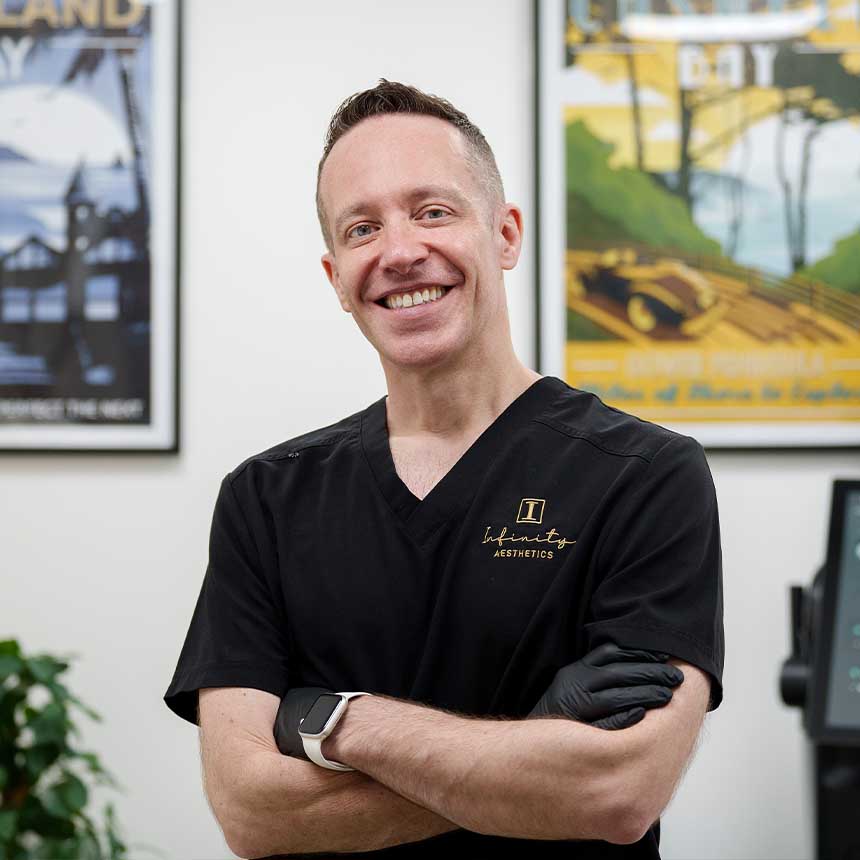
Owen Thomas
Dr. Owen Thomas has been a medical doctor for over 26 years since qualifying from Cardiff in 1999, now specialising in aesthetics in Marylebone, London. After a 2 year course in injectable aesthetic treatments training at Harley Academy, and additional study with Empire Medical Training in the US and other experts renowned in their field, he won a scholarship in the prestigious Aesthetic Intelligence Fellowship run over 7 months in Kensington, London and Paris, coming top of his cohort. He now specialises in combined treatments for rejuvenation including laser and biostimulators to naturally rejuvenate the maturing face, for a natural and long-lasting benefit.